どこかで、
また。
同一片天空,
不同的故事。Same sky.
Different stories.同じ空、
違う物語。
簡介 About プロフィール
簡歷 Biography バイオグラフィー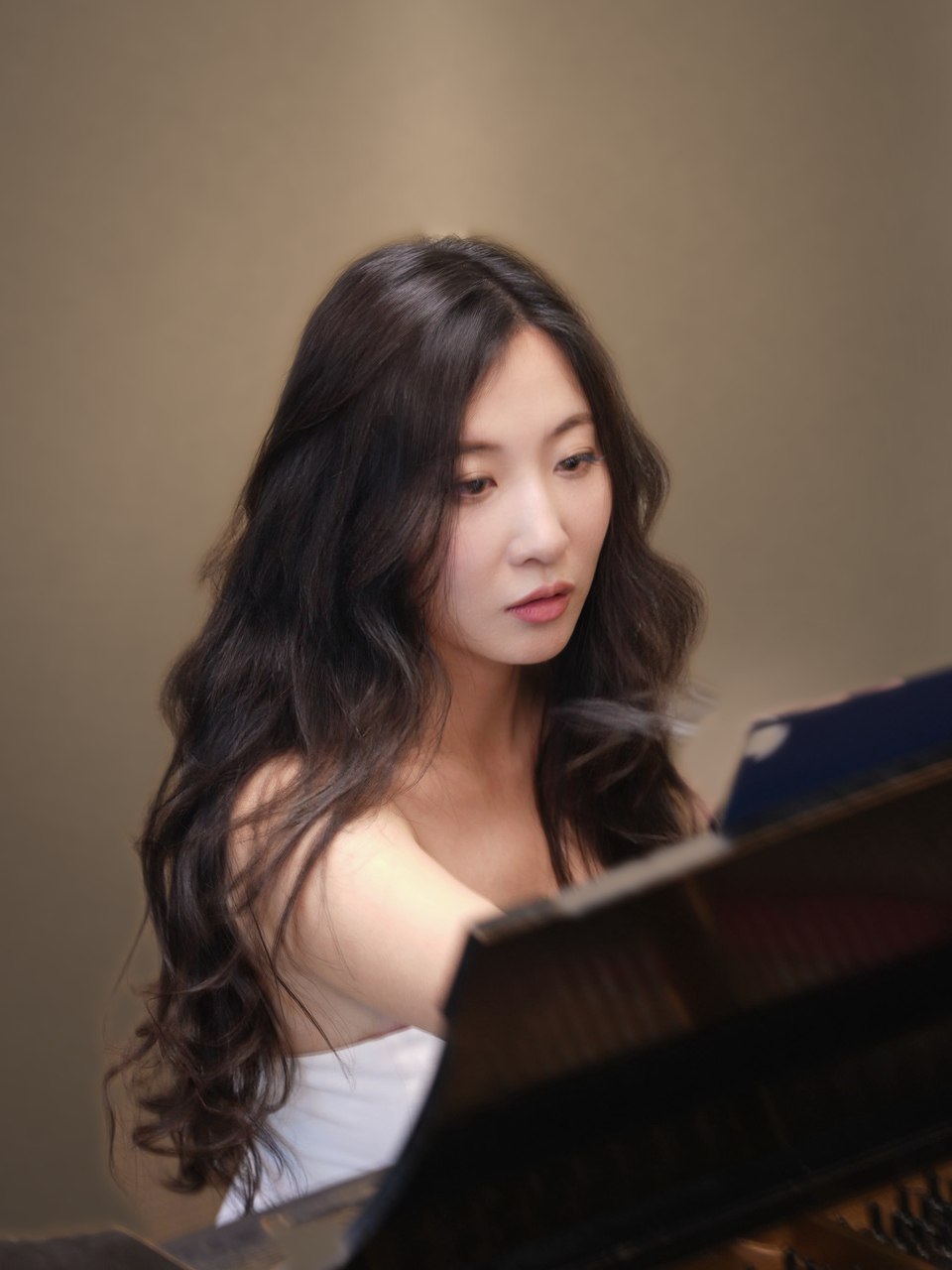
房思瑜是現居洛杉磯的作曲家,作品遊走於古典傳統、爵士,以及當代電影與影像媒體音樂之間。Cecilia Fang is a Los Angeles–based composer whose work moves between classical tradition, jazz, and contemporary music for film and visual media.セシリア・ファンは、ロサンゼルスを拠点とする作曲家。古典の伝統、ジャズ、そして映画や映像メディアのための現代音楽のあいだを行き来する作品を手がける。
她自幼學習古典小提琴,後來透過鋼琴走進爵士,逐漸發展出一種由抒情旋律、和聲色彩與原聲樂器編制所構成的音樂語言。音樂會作品的創作背景,持續影響著她的影視配樂——在她的作品中,音樂是敘事、角色與氛圍的延伸。Raised on classical violin and later drawn to jazz through the piano, she developed a musical language shaped by lyrical melody, harmonic color, and acoustic instrumentation. Her background in concert composition continues to inform her approach to screen scoring, where music becomes an extension of narrative, character, and atmosphere.クラシックのヴァイオリンで育ち、のちにピアノを通してジャズに惹かれた彼女は、叙情的な旋律、和声の色彩、アコースティックな楽器編成によって形づくられる音楽語法を育んできた。コンサート作品の作曲で培った背景は映像音楽へのアプローチにも息づき、そこで音楽は物語、人物、そして空気感の延長となる。
她的創作橫跨電影、動畫、遊戲與音樂會舞台,尤其關注如何讓不同的音樂傳統,在當代的電影語言中相遇。Her work spans film, animation, games, and the concert stage, with a particular interest in music that brings different musical traditions into a contemporary cinematic language.映画、アニメーション、ゲーム、そしてコンサートの舞台にわたって活動し、異なる音楽の伝統を現代的な映画の言語へと結びつける音楽に、特に関心を寄せている。
- 學歷Education学歴
- 音樂學士(作曲)· 加州大學柏克萊分校 · 2026B.A. Music, Composition · University of California, Berkeley · 2026音楽学士(作曲)· カリフォルニア大学バークレー校 · 2026師從 Ken UenoStudied under Ken Ueno上野健に師事
- 獲獎Awards受賞
- Eisner Prize · 加州大學柏克萊分校 · 2026Eisner Prize · University of California, Berkeley · 2026Eisner Prize · カリフォルニア大学バークレー校 · 2026表彰其製作並舉辦一場完整的原創作品音樂會For producing and presenting a full-length concert of original works自作品によるフルレングスのコンサートの企画・上演に対して
- 創作領域Practice活動領域
- 電影 · 動畫 · 遊戲 · 音樂會作品Film · Animation · Games · Concert Music映画 · アニメーション · ゲーム · コンサート作品
- 現居Based in拠点
- 美國洛杉磯Los Angeles, USAアメリカ・ロサンゼルス
作品 Music 音楽
目錄持續補齊中 Catalogue in progress 目録は順次追加首演音樂會Premiere concert初演コンサート
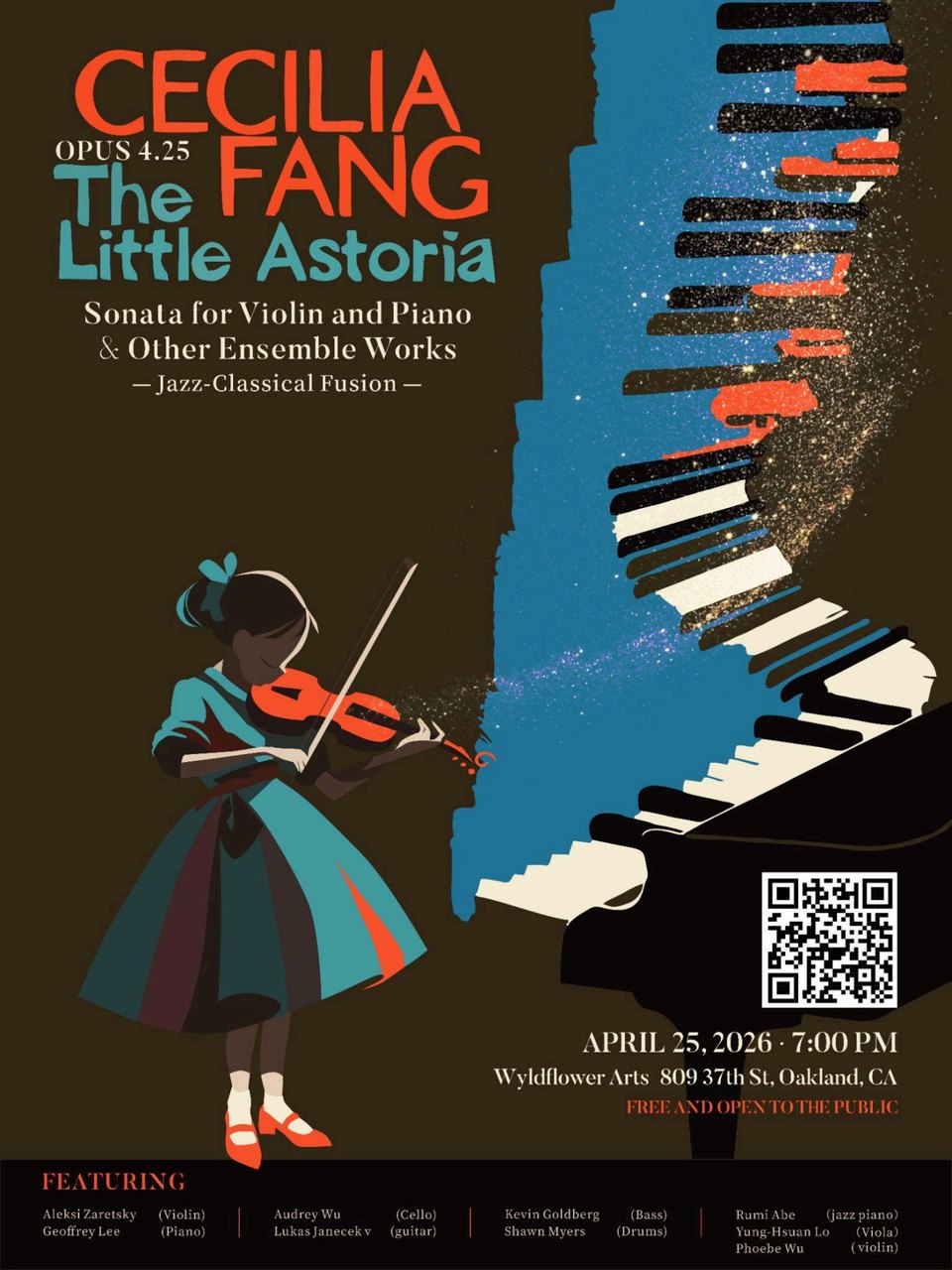
Opus 4.25
房思瑜在柏克萊就讀期間自行製作、策劃的完整公開作品音樂會,免費對大眾開放。「4.25」不只是日曆上的日期,也標記了她作為作曲家真正的起點。整場曲目圍繞一個問題:古典與爵士這兩個世界,能不能在同一個空間裡合作?此製作獲頒 Eisner Prize。A full-length public concert of her own music, produced and curated by Cecilia during her final year at UC Berkeley, and free and open to the public. The “4.25” is more than a date on the calendar — it marks the true beginning of her journey as a composer. The program asks one question: what happens when classical music and jazz share the same room? The production received the Eisner Prize.バークレー在学中に作曲者自身が企画・制作した、自作品によるフルレングスの公開コンサート(入場無料)。「4.25」は単なる日付ではなく、作曲家としての本当の出発点を示している。古典とジャズという二つの世界が同じ空間で共演するとき、何が生まれるのか——その問いがプログラム全体を貫く。本公演は Eisner Prize を受賞した。
Aleksi Zaretsky, Phoebe Wu · 小提琴violinヴァイオリン
Yung-Hsuan (Sharon) Lo · 中提琴violaヴィオラ
Audrey Wu · 大提琴celloチェロ
Geoffrey Lee, Rumi Abe · 鋼琴pianoピアノ
Lucas Janecek · 吉他guitarギター
Kevin Goldberg · 貝斯bassベース
Shawn Myers · 鼓drumsドラムス
-
2026
The Little Astoria小提琴與鋼琴奏鳴曲The Little AstoriaSonata for violin and pianoThe Little Astoriaヴァイオリンとピアノのためのソナタ
小提琴與鋼琴 · 三樂章Violin and piano · three movementsヴァイオリン、ピアノ · 三楽章
世界首演 · Opus 4.25 · Aleksi Zaretsky 小提琴 · Geoffrey Lee 鋼琴World premiere · Opus 4.25 · Aleksi Zaretsky, violin · Geoffrey Lee, piano世界初演 · Opus 4.25 · Aleksi Zaretsky(Vn)· Geoffrey Lee(Pf)
- IAllegro — There’s No Such Thing as Perfect快板 — 世上沒有完美アレグロ — 完璧なんてない
- IITheme and Variations — Wait! Is That a Star?主題與變奏 — 等等!那是星星嗎?主題と変奏 — 待って!あれは星?
- IIIRondo — The Fantasy Is Not Final輪旋曲 — 幻想曲不是終點ロンド — ファンタジーは終わらない
樂曲解說Programme note楽曲解説
這首奏鳴曲是一趟風格之旅,在傳統與現代的節奏生活之間架起橋樑。它以古典的三樂章結構為畫布,鮮明地融合東亞的旋律根源、爵士的切分節奏與當代流行音樂的感性。This sonata is a stylistic journey that bridges the gap between traditional heritage and modern rhythmic life. It uses a classical three-movement structure as a canvas for a vivid fusion of East Asian melodic roots, jazz syncopation, and contemporary pop sensibilities.このソナタは、伝統と現代のリズミックな生活とのあいだに橋を架ける様式の旅である。古典的な三楽章構成をキャンバスに、東アジアの旋律的ルーツ、ジャズのシンコペーション、現代ポップの感性を鮮やかに融合させている。
第一樂章 · 快板I · Allegro第1楽章 · アレグロ第一樂章在東方與西方之間建立起充滿活力的張力。標題的靈感來自村上春樹的第一部小說《聽風的歌》中一句動人的話:「所謂完美的文章並不存在……」在古典奏鳴曲式之中,小提琴以亞洲風格的旋律呈示主題,勾勒出寧靜的東方風景;這些動機與鋼琴的西方和聲結構相遇,形成引人入勝的聲音對話——兩個截然不同的音樂世界,學會說同一種語言。The first movement establishes a vibrant tension between East and West, its title drawing inspiration from a poignant line in Haruki Murakami’s debut novel, Hear the Wind Sing: “There is no such thing as perfect writing…” Within the classical sonata form, the violin introduces themes built on Asian-inspired melodies, evoking a serene Eastern landscape. These motifs are met by the piano’s Western harmonic structures, creating a compelling sonic dialogue where two distinct musical worlds learn to speak a shared language.第1楽章は東洋と西洋のあいだに躍動的な緊張をつくり出す。タイトルは村上春樹の処女作『風の歌を聴け』の印象的な一節「完璧な文章などといったものは存在しない……」に着想を得ている。古典的なソナタ形式の中で、ヴァイオリンはアジア的な旋律にもとづく主題を提示し、静謐な東洋の風景を描き出す。これらの動機はピアノの西洋的な和声構造と出会い、二つの異なる音楽世界が共通の言葉を話しはじめる、魅力的な音の対話が生まれる。
第二樂章 · 主題與變奏II · Theme and Variations第2楽章 · 主題と変奏第二樂章以一段簡單、高揚、帶有流行色彩的旋律開始——直接而動人。隨著變奏推進,音樂經歷節奏上的轉化:原本抒情的歌逐漸累積「內在的動能」,重心一點一點移動,直到爆發為完整的爵士搖擺。這個轉變象徵精神上的成長,從單一的念頭,走向多面向的律動。The second movement begins with a simple, soaring pop-inflected melody — straightforward and emotionally resonant. As the variations progress, the music undergoes a rhythmic transformation. What starts as a lyrical song gradually gains “internal momentum,” shifting its weight until it breaks into a full jazz swing. This transition represents a growth in spirit, moving from a singular thought into a multi-faceted, rhythmic groove.第2楽章は、シンプルで伸びやかな、ポップの香りをもつ旋律で始まる——率直で、心に響く旋律だ。変奏が進むにつれて音楽はリズムの変容を遂げる。叙情的な歌として始まったものが次第に「内なる推進力」を得て重心を移し、ついには本格的なジャズ・スウィングへと弾ける。この移り変わりは精神の成長を表し、ひとつの想いから多面的でリズミックなグルーヴへと向かっていく。
第三樂章 · 輪旋曲III · Rondo第3楽章 · ロンド終樂章是一首充滿能量的輪旋曲,以朗朗上口、「可以跟著唱」的主題為特色。它大量汲取藍調、爵士與拉格泰姆的精神,把俏皮而富打擊感的能量推到前景。但這個樂章並非沒有深度——它織入了第二樂章的憂鬱與第一樂章的五聲音階動機。這是真正的融合:一場記得自己根源、也記得旅途掙扎的歡樂慶典。The finale is a high-energy rondo characterized by a catchy, “singable” main theme. It draws heavily on the spirit of blues, jazz and ragtime, bringing a playful, percussive energy to the forefront. However, the movement is not without depth; it weaves in the melancholy found in the second movement and the pentatonic motifs from the first. It is a true synthesis — a joyful celebration that remembers its roots and the struggles of the journey.終楽章は、口ずさみたくなる「歌える」主題をもつエネルギッシュなロンド。ブルース、ジャズ、ラグタイムの精神を色濃く取り入れ、遊び心あふれる打楽器的なエネルギーを前面に押し出す。しかし深みがないわけではない。第2楽章の憂いと第1楽章の五音音階の動機が織り込まれている。これは真の統合——自らのルーツと旅の苦闘を忘れない、喜びの祝祭である。
寫作緣起About the piece作曲の背景房思瑜在畢業之際寫下這首奏鳴曲,獻給年少的自己:她自幼學習古典小提琴,後來透過鋼琴愛上爵士——小提琴與鋼琴的組合,正是她自己的音樂歷程。Cecilia wrote the sonata at graduation, for her younger self: she grew up playing classical violin and later fell in love with jazz through the piano — the pairing of the two instruments traces that path.卒業に際し、作曲者が幼い頃の自分に宛てて書いた作品。クラシックのヴァイオリンで育ち、のちにピアノを通してジャズに出会った——ヴァイオリンとピアノという組み合わせは、彼女自身の歩みそのものである。
音檔待上傳Audio to be uploaded音源は準備中 -
c. 2024
To the Child I Once Was致曾經的那個孩子 · 鋼琴三重奏To the Child I Once WasPiano trioTo the Child I Once Wasかつての子どもへ · ピアノ三重奏
小提琴、大提琴與鋼琴Violin, cello and pianoヴァイオリン、チェロ、ピアノ
Opus 4.25 · Aleksi Zaretsky 小提琴 · Audrey Wu 大提琴 · Geoffrey Lee 鋼琴Opus 4.25 · Aleksi Zaretsky, violin · Audrey Wu, cello · Geoffrey Lee, pianoOpus 4.25 · Aleksi Zaretsky(Vn)· Audrey Wu(Vc)· Geoffrey Lee(Pf)
樂曲解說Programme note楽曲解説
一首非常私人的鋼琴三重奏,也是房思瑜音樂旅程的聲音回憶錄。作為她的第一首室內樂作品,它汲取後浪漫主義的豐富色彩,以及日本電子遊戲音樂那種喚起鄉愁的質地。A deeply personal piano trio and a sonic memoir of the composer’s musical journey. As her debut chamber work, it draws on a rich palette of post-Romanticism and the evocative, nostalgic textures of Japanese video game music.作曲者の音楽の歩みを音で綴った、きわめて個人的なピアノ三重奏。彼女にとって初めての室内楽作品であり、後期ロマン派の豊かな色彩と、日本のゲーム音楽がもつ郷愁を誘う響きから多くを得ている。
這是一個用聲音說的故事:每個主題都有自己的個性,卻又彼此緊密相連,就像童年零碎的記憶。結構上,音樂映照學習與成長的過程——由一段懷舊的大提琴旋律與纖細的鋼琴織體開始,逐漸演變成複雜而精密的層次,最後在熱情而凱旋的終段中收束,散發希望,也預示著對未來創作之路的大膽期待。The piece is a story told through sound: each theme has a distinct personality, yet all are inextricably linked, like the fragmented memories of childhood. Structurally it mirrors the process of learning and growth, beginning with a nostalgic cello melody and delicate piano textures that gradually evolve into intricate layers, and culminating in a passionate, triumphant finale that radiates hope for the creative path ahead.音で語られる物語。それぞれの主題は独自の個性をもちながら、子ども時代の断片的な記憶のように分かちがたく結びついている。構成は学びと成長の過程を映し出し、懐かしいチェロの旋律と繊細なピアノの響きから始まって、次第に複雑で緻密な層へと発展し、希望に満ちた情熱的で輝かしいフィナーレへと至る。
此曲寫於音樂會約兩年前的作曲課程,是她第一次真正驚訝於自己作為作曲家能走多遠。它原本不在曲目中——直到她在自己的 YouTube 頻道看到一則留言,一位聽眾說這首曲子他聽了好幾個月、深受啟發。這則留言讓她決定讓這首作品重新回到舞台上。Written about two years before Opus 4.25 during her composition studies, it was the first time she was truly surprised by how far she could go as a composer. It wasn’t meant to be on the program — until a listener commented on her YouTube channel that the piece had inspired them for months, and she knew she had to bring it back to life.Opus 4.25 の約2年前、作曲の授業で書かれた作品で、作曲家として自分がどこまで行けるのかに初めて驚かされた曲でもある。当初はプログラムに入っていなかったが、YouTube チャンネルに「何か月も聴き続けて刺激を受けた」というコメントが寄せられたことで、再び舞台に戻すことを決めた。
音檔待上傳Audio to be uploaded音源は準備中 -
2025
Crying Angle in the Rain雨中哭泣的「角」 · 爵士抒情曲Crying Angle in the RainJazz balladCrying Angle in the Rain雨に泣く「角」 · ジャズ・バラード
爵士節奏組與弦樂四重奏Jazz rhythm section and string quartetジャズ・リズムセクションと弦楽四重奏
弦樂:Aleksi Zaretsky、Phoebe Wu 小提琴 · Yung-Hsuan Lo 中提琴 · Audrey Wu 大提琴 節奏組:Geoffrey Lee、Rumi Abe 鋼琴 · Lucas Janecek 吉他 · Kevin Goldberg 貝斯 · Shawn Myers 鼓Strings: Aleksi Zaretsky, Phoebe Wu (vn) · Yung-Hsuan Lo (va) · Audrey Wu (vc) — Rhythm: Geoffrey Lee, Rumi Abe (pf) · Lucas Janecek (gtr) · Kevin Goldberg (b) · Shawn Myers (dr)弦楽:Aleksi Zaretsky、Phoebe Wu(Vn)· Yung-Hsuan Lo(Va)· Audrey Wu(Vc)/リズム:Geoffrey Lee、Rumi Abe(Pf)· Lucas Janecek(Gt)· Kevin Goldberg(Ba)· Shawn Myers(Dr)
“The right triangle is sad, because it’s not acute enough.”
樂曲解說Programme note楽曲解説
原本為學校爵士樂團而寫,寫於一段極度卡關的時期——她的奏鳴曲怎麼也寫不出來。這首抒情曲是一次練習脆弱的過程。曲名本來是浪漫的「Crying Angel」(哭泣的天使),卻因為一個沒發現的拼字錯誤變成了「Angle」——角。Originally composed for her school jazz ensemble during a period of intense writer’s block — the sonata just wouldn’t come out — this ballad is an exercise in vulnerability. It was meant to be called “Crying Angel,” until an unnoticed typo turned the angel into an angle.ソナタがどうしても書けなかった深刻なスランプの時期に、学校のジャズ・アンサンブルのために書かれたバラード。弱さと向き合うための練習のような曲である。本来のタイトルは「Crying Angel(泣く天使)」だったが、気づかないスペルミスで「Angle(角)」になっていた。
她的鋼琴老師 Amy 要她立刻改掉,但她轉念一想:每個人都為天使寫音樂,可有誰為一個在雨中孤單哭泣的「角」寫過?於是她保留了錯字。樂團的小提琴手替它加了副標題;那天晚上交配器法作業時,她在作曲者欄位寫下的名字是——A Right Triangle。Her piano teacher, Amy, told her to change it immediately. But Cecilia thought: everyone writes music for angels — who writes music for a lonely angle crying in the rain? She kept the typo. The ensemble’s violinist supplied the subtitle, and that night, on her orchestration assignment, she signed the composer line: A Right Triangle.ピアノの先生 Amy にはすぐ直すよう言われた。けれど彼女は考えた——天使のための音楽は誰もが書く。でも、雨の中でひとり泣いている「角」のための音楽を書いた人はいるだろうか? こうして誤字は残された。副題はアンサンブルのヴァイオリン奏者の発案。その夜、オーケストレーションの課題の作曲者欄に彼女が書いた名前は——A Right Triangle。
刻意保留的錯字,成了向作曲者自己常有的語言小失誤的致敬。藉由那個帶著數學意味的副標題順勢接受錯誤,這首曲子把一個單純的人為疏失,轉化為關於自我接納的敘事——也是對創作生活中那種「不完美的絕望」的深情回望:就連一個「錯的」音或字,也能有屬於自己的共鳴。The intentional misspelling is a tribute to the composer’s own habit of linguistic slips. By leaning into the mistake through its mathematical subtitle, the piece turns a simple human error into a narrative about self-acceptance — a soulful reflection on the “imperfect despair” of creative life, proving that even a “wrong” note or word can have a resonance of its own.意図的に残された誤字は、作曲者自身のちょっとした言い間違いの癖へのオマージュでもある。数学的な副題によって失敗をそのまま受け入れることで、この曲は単純なミスを自己受容の物語へと変える。創作生活の「不完全な絶望」へのしみじみとした眼差し——「間違った」音や言葉でさえ、それ自身の響きをもちうるのだ。
音檔待上傳Audio to be uploaded音源は準備中 -
2026
The Summer Before Leaving離開前的夏天 · 終曲The Summer Before LeavingFinaleThe Summer Before Leaving旅立ち前の夏 · フィナーレ
爵士節奏組與弦樂四重奏Jazz rhythm section and string quartetジャズ・リズムセクションと弦楽四重奏
弦樂:Aleksi Zaretsky、Phoebe Wu 小提琴 · Yung-Hsuan Lo 中提琴 · Audrey Wu 大提琴 節奏組:Geoffrey Lee、Rumi Abe 鋼琴 · Lucas Janecek 吉他 · Kevin Goldberg 貝斯 · Shawn Myers 鼓Strings: Aleksi Zaretsky, Phoebe Wu (vn) · Yung-Hsuan Lo (va) · Audrey Wu (vc) — Rhythm: Geoffrey Lee, Rumi Abe (pf) · Lucas Janecek (gtr) · Kevin Goldberg (b) · Shawn Myers (dr)弦楽:Aleksi Zaretsky、Phoebe Wu(Vn)· Yung-Hsuan Lo(Va)· Audrey Wu(Vc)/リズム:Geoffrey Lee、Rumi Abe(Pf)· Lucas Janecek(Gt)· Kevin Goldberg(Ba)· Shawn Myers(Dr)
樂曲解說Programme note楽曲解説
以她在柏克萊的最後一個季節命名,捕捉完成與離別交會時那份又甜又苦的心情。從洛杉磯轉學到柏克萊的第一年,她在這座城市誰也不認識——一個懷抱夢想,卻也害怕、不太相信自己的學生。Named for her final season in Berkeley, the piece captures the bittersweet intersection of completion and departure. In her first year after transferring from Los Angeles she knew no one in the city — a student with a dream, but scared, and not quite believing in herself.バークレーで過ごす最後の季節にちなんで名づけられ、完成と旅立ちが交わるほろ苦さをとらえた曲。ロサンゼルスから編入した最初の年、彼女はこの街に知り合いが一人もいなかった——夢を抱きながらも怖くて、自分を信じきれない学生だった。
音樂追溯的,正是那段從「懷抱夢想的學生」走到「擁有一群同伴的作曲家」的旅程。這首曲子是她的道謝:給這座城市、給柏克萊,也給一路同行的每一個人。The music traces the journey from arriving as a student with a dream to standing on stage as a composer with a community. It is her way of saying thank you — to the city, to Berkeley, and to everyone who was part of the journey.音楽がたどるのは、夢を抱いた学生として到着した日から、仲間とともに舞台に立つ作曲家となった今日までの道のり。この街へ、バークレーへ、そして歩みを共にしたすべての人への感謝のしるしである。
音檔待上傳Audio to be uploaded音源は準備中
它並不完美——但我明白了,這份不完美,正是它該有的樣子。It’s not perfect — but I’ve realized that this imperfection is exactly how it’s supposed to be.完璧ではない。でも、その不完全さこそが、あるべき姿なのだと気づいた。
影視配樂 Film 映像音楽
開放合作 Open for projects ご相談受付中她為影像寫作的方式,與創作音樂會作品相同:先找到角色的情緒重心,再決定以什麼聲音承接。古典的寫作訓練與爵士語彙,讓她的配樂既有結構,也保有呼吸。 She scores picture the way she writes concert music: find the emotional centre of a character first, then decide what sound can carry it. A classical writing background and a jazz vocabulary let her cues hold their structure and still breathe. 映像のための音楽も、コンサート作品と同じ手順で書く。まず人物の感情の中心を見つけ、それを支える音を選ぶ。古典的な作曲の訓練とジャズの語法により、構造を保ちながら呼吸する音楽を生み出している。
-
混合動作 · 史詩管弦樂Hybrid Action / Epic Orchestralハイブリッド・アクション/エピック・オーケストラ
Metrical Battle混合管弦樂Hybrid orchestralハイブリッド・オーケストラ
動作與戰鬥場景的混合管弦樂配樂:管弦樂團與電子合成聲響的結合。Hybrid orchestral scoring for action and battle — a full orchestra fused with synthesized, electronic sound.アクションやバトルのための、オーケストラと電子音を融合させたハイブリッド・オーケストラ音楽。
音檔待上傳Audio to be uploaded音源は準備中 -
家庭冒險 · 喜劇Family Adventure / Comedyファミリー・アドベンチャー/コメディ
熊さんのワルツ熊先生的圓舞曲Mr. Bear’s Waltzくまさんのワルツ
管弦樂配樂,俏皮、帶著英雄氣概。Orchestral — playful, heroic scoring.オーケストラによる、遊び心とヒロイックさをあわせもつ音楽。
音檔待上傳Audio to be uploaded音源は準備中 -
暗黑電影感 · 反烏托邦劇情Dark Cinematic / Dystopian Dramaダーク・シネマティック/ディストピア・ドラマ
Elysium末日科幻 · 心理驚悚Apocalyptic sci-fi · psychological thriller終末SF · サイコスリラー
為末日科幻與心理驚悚類型寫作的暗色電影配樂。Dark cinematic scoring for apocalyptic sci-fi and psychological thriller.終末SFやサイコスリラーのための、ダークな映画音楽。
音檔待上傳Audio to be uploaded音源は準備中 -
情感劇情 · 災難Emotional Drama · Disasterヒューマンドラマ · ディザスター
The Unbearable Aches電影管弦樂Cinematic orchestralシネマティック・オーケストラ
為情感劇情與災難類型寫作的電影管弦樂配樂。Cinematic orchestral scoring for emotional drama and disaster.ヒューマンドラマやディザスター作品のための、シネマティックなオーケストラ音楽。
音檔待上傳Audio to be uploaded音源は準備中 -
日式風格 · 奇想室內樂Japanese-Inspired / Whimsical Chamber和風 · 遊び心のある室内楽
るすばん猫看家的貓The Cat Who Stays Homeおるすばんのねこ
帶有日本風格、輕巧而充滿奇想的室內樂。Japanese-inspired, whimsical chamber music.和の趣と遊び心をあわせもつ、軽やかな室内楽。
音檔待上傳Audio to be uploaded音源は準備中
- 電影、動畫與遊戲的原創配樂 Original score for film, animation and games 映画・アニメーション・ゲームのオリジナル音楽
- 主題音樂與角色動機設計 Main themes and character motifs メインテーマとキャラクター・モチーフ
- 編曲、配器與現場錄音統籌 Arranging, orchestration and live session coordination 編曲・オーケストレーション・生録音のコーディネート
委託與聯絡 Commissions & Contact 委嘱とお問い合わせ
開放委託與合作Open for commissions委嘱・ご依頼受付中委託、配樂合作、演出授權與教學都歡迎來信,中文、英文、日文皆可。我通常在三個工作日內回覆。Commissions, scoring collaborations, performance licensing and lessons are all welcome — in English, Chinese or Japanese. I usually reply within three working days.委嘱、映像音楽のご相談、演奏許諾、レッスンを歓迎します。日本語・英語・中国語で対応し、通常3営業日以内に返信します。